Seasonal Selling: How Top Amazon Influencers Plan the Year
The biggest earners ride the calendar instead of reacting to it. A season-by-season plan for Amazon creators.
By The Influencer Butler Team · July 9, 2026 · 7 min read
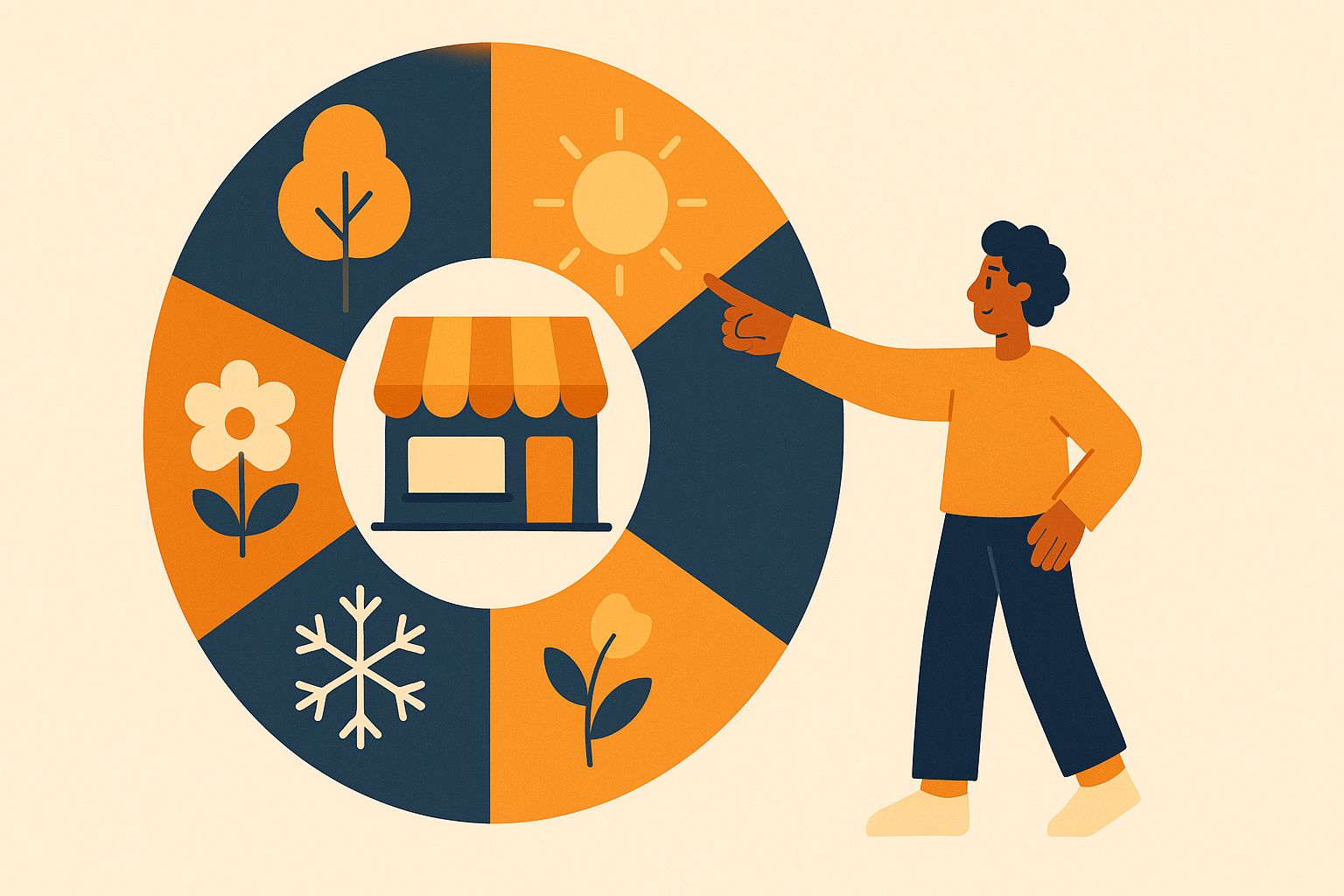
If you want to build a real seasonal Amazon strategy, here is the uncomfortable truth that separates the steady earners from everyone else: the biggest creators are never surprised by the calendar. They are filming gift guides in October, not December. They are posting patio furniture in March, not July. By the time the rest of us notice that everyone suddenly wants air fryers again, the planners already have content live, links warmed up, and campaigns accepted.
Amazon shopping runs on a rhythm. People buy roughly the same kinds of things at roughly the same times every year, and that predictability is a gift. You do not have to guess what your audience will want in November. You already know. The only question is whether you will have content ready when they go looking, or whether you will be scrambling to film while the demand is already cresting.
This post lays out a season-by-season plan you can actually run, plus the one habit that makes the whole thing easier.
Why timing beats talent in seasonal selling
A mediocre video posted at the right moment will out-earn a gorgeous video posted a month late. That is not a knock on craft. It is just how demand works. When millions of people are searching for the same product in the same two-week window, being present matters more than being perfect.
The mistake most creators make is reacting. They see a trend peak, rush to make content, and publish right as the wave is breaking. By then the early movers have already captured the clicks, the algorithm has already picked its favorites, and the shopper has already bought.
The planners win because they are boring and early. They do the work weeks before anyone is excited about it, then coast through the busy season while everyone else panics.
The fix is to work backward from the shopping date, not forward from today. If the buying happens in December, your content needs to exist in November so it has time to get indexed, shared, and discovered.
The four seasons of an Amazon storefront
Here is the simple version of the year. You can adapt the exact products to your niche, but the timing holds for almost everyone.
Winter: gifting and self-care
The biggest money window of the year runs from late October through the holidays, and it bleeds into January. People buy gifts, then they buy for themselves with gift cards and New Year energy. Think gift guides, stocking stuffers, cozy home items, fitness and organization products for the resolution crowd.
Start filming holiday content in October. Seriously. The shoppers who plan ahead are searching in early November, and you want to be there first.
Spring: refresh and renewal
Spring is about cleaning, organizing, gardening, and getting outside again. Cleaning gadgets, storage solutions, patio and garden items, allergy products, and anything tied to spring break travel all climb here. Mother's Day sits in May and quietly drives a lot of buying.
Summer: outdoors, travel, and prep
Summer leans into travel gear, outdoor entertaining, pool and beach items, and cooling products. Then, late in the season, back-to-school sneaks in. Smart creators start back-to-school content in July while everyone else is still at the lake.
Fall: nesting and the run-up
Fall is the deep breath before the holiday sprint. Home decor, kitchen gear for the baking season, early-bird holiday shoppers, and the big sale events. This is also when you should be quietly building your gift-guide content so it is live before the rush.
Build your calendar backward from the buying
The trick to making this real is to anchor your plan to the shopping dates, then count backward.
- List the buying moments for your niche. Holidays, sale events, seasonal shifts, niche-specific dates (a beauty creator cares about prom and wedding season; a kitchen creator cares about Thanksgiving).
- Subtract three to four weeks from each date. That is your content deadline.
- Subtract another week or two for filming and editing. That is when you actually need to start.
Suddenly "be ready for the holidays" turns into "film gift guides the second week of October," which is a thing you can put on a calendar and do.
If you want a fuller framework for which products to feature in each window, our guide on choosing Amazon products that convert pairs well with this seasonal map.
Let your own sales tell you what to repeat
Generic seasonal advice gets you started. Your own data gets you paid. The single best predictor of what your audience will buy next winter is what they bought last winter from you specifically.
If your storefront moved a ton of one type of product last December, that is not a coincidence to ignore. That is a signal to lean into harder this year, earlier. The creators who compound their seasonal earnings are the ones who treat last year's sales like a script for this year's content.
This is exactly where keeping honest order history pays off. Memory is a terrible record. You will swear the candles sold great when actually it was the blankets. Your real order data does not flatter you or lie to you, and that makes it the best planning tool you have.
This is part of what we built Influencer Butler to handle. Orders Butler syncs your real Amazon order history so you can see what actually sold and when, and the AI Keyword Generator builds seasonal keyword lists and checks them against the live Creator Connections catalog, so you can line up the right campaigns before the season hits instead of after. The point is to make planning ahead the easy path, not the disciplined one.
A few habits that make seasonal selling stick
- Keep a swipe file of last year's winners so you are not starting from a blank page each season.
- Refresh evergreen content by re-sharing your best seasonal posts a few weeks before the buying returns. You do not always need new; sometimes you need timely.
- Pre-accept relevant campaigns before the season peaks, since the best Creator Connections rates fill up fast once everyone notices the season.
- Batch your filming so one focused afternoon covers a whole season of posts.
If you want to go deeper on the campaign side of seasonal timing, our guide to Creator Connections explains how the brand bonuses stack on top of your normal commission, which is exactly the lever you want pulled during a high-traffic season.
The takeaway
Seasonal selling is not about predicting the future. The future is already on the calendar. It is about doing the unglamorous prep early, working backward from the dates that matter, and leaning on what your audience actually bought last year instead of what you hope they will buy this year. Plan the year once, then ride it.
Want planning to feel less like a scramble? Start your free 14-day trial of Influencer Butler and let it surface what sold and when, so you are always a season ahead.
Share this post
Tools and guides for this topic
Put this into practice with the tools and walkthroughs that match what you just read.
Let a butler handle the busywork.
Influencer Butler automates the repetitive parts of running your creator business, from accepting Creator Connections campaigns to catching price drops and keeping your outreach moving. Try it free for 14 days.
Start your free trial