How to Create an Idea List on Amazon: Amazon Idea Lists That Convert
How to create an idea list on Amazon, what an Amazon idea list is, and how to theme, title and order it so shoppers add to cart instead of bouncing.
By The Influencer Butler Team · July 4, 2026 · Updated October 16, 2026 · 8 min read
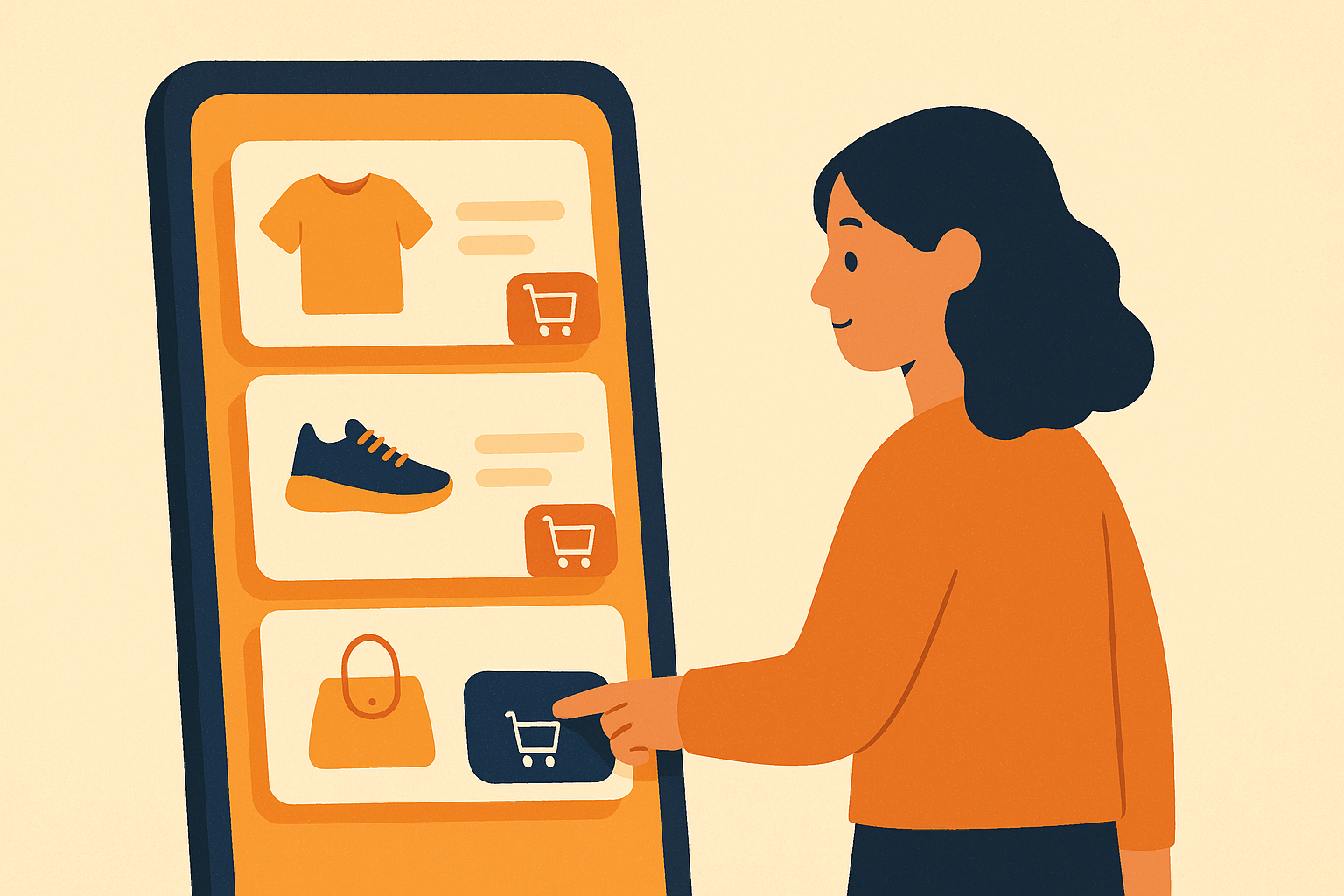
Most creators treat Amazon idea lists like a digital junk drawer: a place to dump every product they have ever linked, in no particular order, with a title like "My Favorites." Then they wonder why nobody adds anything to cart. The problem is not the products. It is that idea lists are not storage. They are mini sales pages, and the ones that convert are built like sales pages, not like a closet you forgot to clean.
Get this right and your storefront does quiet work for you around the clock. A shopper lands on a well-built idea list, sees a tight set of products that solve one specific problem, and buys two of them without ever watching a video. That is the whole magic of idea lists: they catch intent you did not have to create. Let's build them so they actually do that.
What is an Amazon idea list?
An Amazon idea list is a themed collection of products you curate and publish on your Amazon storefront, like "Small-Kitchen Storage That Actually Fits" or "Desk Setup for a Tiny Home Office." Shoppers browse the list, and you earn a commission when they buy through it. Idea lists were built for Amazon Influencer storefronts, and some Associates accounts can create them too, so check what your own dashboard offers.
How to create an Amazon favorites page
If you searched for how to create an Amazon favorites page, you are in the right place under a different name. "Favorites page" is what a lot of shoppers and creators call it before they learn Amazon's own term, idea list. There is no separate "favorites page" feature. It is the same storefront tool, same editor, same link structure, just a more intuitive name for a page of your favorite products. Everything below applies whether you think of it as a favorites page or an idea list.
How to create an Amazon idea list
Amazon's menu names shift from time to time, so look for the Idea Lists section in your storefront editor rather than a specific button. The workflow is the same either way:
- Pick one theme. Write down the person and the problem before you touch a product. "Gifts" is not a theme. "Gifts Under $30 That Don't Look Cheap" is.
- Create a new list and title it like a search result. Name the outcome, the occasion, or the price point.
- Add products, strongest first. Lead with the pick almost everyone who clicks will want, then its natural companions.
- Publish, then share the list link from your storefront. Amazon advises sharing Idea List links straight from your storefront, because those links carry your affiliate attribution.
- Check back in a week or two. Keep what gets clicks, retitle what does not, and prune items that go out of stock.
The sections below cover how to make each of those steps convert.
How do you earn from an Amazon idea list?
You earn the standard commission for the product category when someone buys after clicking through your list. Amazon's own Influencer onboarding guide says to share links from your storefront or use its linking tools, and lists can be shared in Instagram Stories, blog posts, YouTube descriptions, and more. To see what a list could realistically earn before you build it, run your numbers through the free Amazon affiliate earnings calculator.
Why idea lists convert when storefronts don't
Your main storefront grid is a lobby. It is broad, a little overwhelming, and it asks the visitor to figure out what they came for. An idea list is a hallway with one door at the end. It says "here are the seven things you need for X," and that focus is exactly what nudges a browser into a buyer.
The shopper psychology is simple. People do not arrive thinking "I want to buy a product." They arrive thinking "I want to solve a thing." A list titled "Everything for a Cozy Reading Nook" speaks to the thing. A grid of 200 unrelated items does not. The themed list pre-answers the question "does this person get what I need," and that trust is half the sale.
A good idea list has a job. If you cannot say in one sentence what problem the list solves, the shopper cannot either, and they will bounce.
Theme tight, not broad
The number one mistake is making lists too wide. "Home" is not a theme. "Kitchen" is barely a theme. "Small-Kitchen Storage That Actually Fits" is a theme, because it names a specific person with a specific problem.
Tight themes win for three reasons:
- They match a real search. People look for solutions to narrow problems, not broad categories. The narrower your theme, the closer it sits to an actual moment of intent.
- They make every product feel inevitable. When the theme is sharp, each item obviously belongs, and that coherence reads as expertise.
- They are easy to share. "Check out my home list" lands flat. "I made a list of everything for a tiny-apartment kitchen" gets sent to a friend.
A good rule: if you could not write the list as a single helpful sentence to a friend, it is too broad. Split it.
Title like a search result, not a diary entry
Your list title is doing double duty. It has to catch a shopper's eye on your storefront, and it has to be findable. "My Picks" does neither. Titles that convert tend to name the outcome or the occasion.
Compare these:
- "Skincare" becomes "My 5-Step Routine for Dry Winter Skin."
- "Gifts" becomes "Gifts Under $30 That Don't Look Cheap."
- "Office Stuff" becomes "Desk Setup for a Tiny Home Office."
Notice each upgraded title names a person, a problem, or a price point. That specificity is what makes someone think "oh, that's me." Skip the cutesy diary voice. You are writing a tiny headline, not a journal entry.
Order matters more than you think
People scan top to bottom and lose steam fast. So the order of products inside a list is a real conversion lever, not an afterthought. Lead with your strongest, most universally appealing pick, the one almost everyone who clicked will want. That first yes makes the next ones easier.
Then sequence the rest with a little logic: hero product, the natural companions to it, then the nice-to-haves. If the list is a routine or a setup, order it in the order someone would actually use the items. A reading-nook list might go chair, then lamp, then throw blanket, then the little side table, then the candle. That flow feels like guidance, and guidance sells.
Keep lists to a focused set. A tight list of well-chosen items converts better than a sprawling one where the good picks drown.
Build lists from what your audience actually buys
Here is where most idea lists quietly fail: they are built on guesses about what should sell rather than evidence of what does. You feature the products you think are your bangers, when your real top sellers might be three quiet items you barely mention.
Your sales history is the cheat sheet. The products people have already bought through you are the ones to build hero lists around, because they have proven intent attached. This is exactly the kind of pattern that is easy to feel in your gut and get wrong. Influencer Butler's Storefront Butler keeps your storefront items catalog synced and surfaces what is actually moving, so you can theme your idea lists around proven sellers instead of hunches. It turns "I think this is my best stuff" into a list you know will convert.
For a deeper take on what makes any storefront pick earn, our guide on choosing products that actually convert pairs well with list building.
Keep lists fresh without rebuilding everything
Idea lists are not set-and-forget, but they are also not a full-time job if you are smart about it. A light maintenance pass keeps them earning:
- Prune the dead. Remove items that have gone out of stock or stopped converting. A list with three "currently unavailable" entries reads as neglected.
- Swap in seasonal heroes. A gifting list in November should look different from the same list in March. Rotate the top item to match the moment.
- Re-title underperformers. If a list gets clicks but no conversions, the title or theme is probably too broad. Tighten it before you assume the products are wrong.
Small, regular tune-ups beat a once-a-year overhaul that you dread and skip.
Amazon idea list FAQ
How do I create an Amazon favorites page? The same way you create an idea list, because that is what it is. "Favorites page" is the plain-language name shoppers use for the same storefront tool Amazon calls idea lists. Pick a theme, create a new list in your storefront editor, add products strongest-first, publish it, and share the link.
How many products should an idea list have? Amazon does not set a number. Creators commonly report that tight lists of roughly four to eight products read better than long ones, because every item has to earn its place. Treat that as a starting point and watch which of your lists get clicks.
How many idea lists should I make? Start with a handful of focused lists, three to five, instead of dozens. Add another only when you have a clear new theme and a place to share it.
Do idea lists earn commission? Yes, when shoppers buy through your list link. Rates depend on the product category, and Amazon changes program terms over time, so check Associates Central for current details.
Do I need the Amazon Influencer Program to make one? Idea lists started as an Influencer storefront feature. Some Associates accounts can now create them as well, so check what your own dashboard offers. If you are not in the Influencer Program yet, our guide to how to become an Amazon influencer walks through it.
Where should I share my idea lists? Anywhere your audience already is: Instagram Stories, your link in bio, YouTube descriptions, blog posts, and Pinterest pins. Our guides to Amazon storefront tips, storefront SEO, and link-in-bio setups cover the rest of the funnel, and the storefront makeover checklist helps you tidy what is already there.
The takeaway
Amazon idea lists convert when you treat them like the little sales pages they are: tight themes that name a real problem, titles that read like search results instead of diary entries, deliberate ordering that leads with your strongest pick, and product choices grounded in what your audience has actually bought. Do that and your storefront earns quietly between videos, catching shoppers at the exact moment they are looking to solve something.
Want your idea lists built around proven sellers instead of guesses? Start your free 14-day trial of Influencer Butler and let Storefront Butler show you what is really moving on your storefront.
Share this post
Tools and guides for this topic
Put this into practice with the tools and walkthroughs that match what you just read.
Let a butler handle the busywork.
Influencer Butler automates the repetitive parts of running your creator business, from accepting Creator Connections campaigns to catching price drops and keeping your outreach moving. Try it free for 14 days.
Start your free trial