Keyword Research for Amazon Creators (Without Fancy Tools)
You do not need expensive software to find what shoppers search. Free ways to uncover keywords that bring buyers to your content.
By The Influencer Butler Team · July 18, 2026 · 8 min read
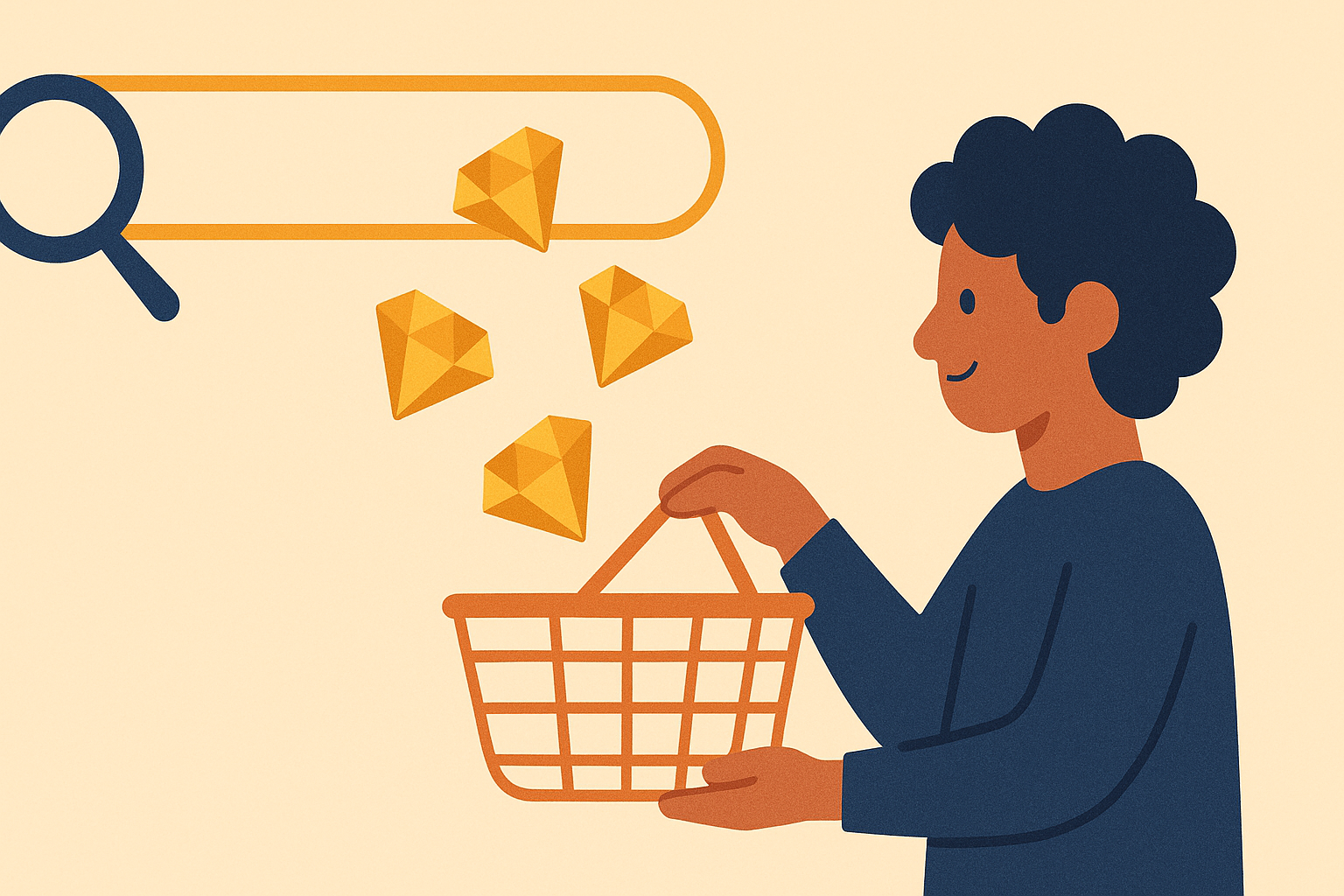
There is a persistent myth in the creator world that good keyword research requires a $99-a-month subscription and a spreadsheet that looks like air traffic control. It does not. The biggest, most accurate keyword database for Amazon creators is free, sitting in plain sight, and updated in real time by millions of shoppers. It is Amazon's own search bar, plus a handful of other places where buyers tell you exactly what they are looking for. If you want to do amazon keyword research without fancy tools, the methods below will get you 90 percent of the way there for zero dollars.
The goal of keyword research as a creator is simple: figure out the actual words shoppers type when they are ready to buy, then use those words in your content titles, idea list names, and descriptions so the right people find you. You are not optimizing for vanity traffic. You are trying to intercept people at the moment they are reaching for their wallet.
Start where the buyers actually are: Amazon's search bar
Amazon's autocomplete is the single best free keyword tool in existence, because every suggestion is a real query that real shoppers type often enough for Amazon to predict it. This is not estimated data. It is demand, ranked by popularity, handed to you for free.
Here is how to mine it:
- Go to the Amazon search bar and type a broad term in your niche, like "kitchen organizer."
- Watch the dropdown fill with longer suggestions: "kitchen organizer for cabinets," "kitchen organizer pull out," and so on.
- Write down every suggestion that matches a product you feature or could feature.
- Now go a level deeper. Type "kitchen organizer for" and let Amazon complete the rest. The "for" trick surfaces specific use cases and buyer intent.
Those longer phrases are gold. "Kitchen organizer" is generic and competitive. "Kitchen organizer for under sink" is a shopper who knows exactly what they want and is close to buying. That specificity is what converts.
Use the alphabet soup method
Once you have a seed keyword, you can systematically expand it. Type your seed term plus each letter of the alphabet, one at a time: "kitchen organizer a," "kitchen organizer b," and so on. Amazon's autocomplete will surface a different cluster of real queries for each letter.
It feels tedious, and it is, but twenty minutes of this gives you a list of dozens of genuine buyer searches you would never have thought of on your own. You are essentially reverse-engineering what your audience is already looking for, using nothing but the search bar.
Read the reviews and the questions
Product reviews and the customer questions section are a goldmine of natural language, the actual phrases people use to describe what they want and what problem a product solves. This is where you find the words that make your content sound like it was written by a real human who gets it.
Look for:
- Repeated phrases describing the problem ("finally something that fits my narrow cabinet")
- The specific use cases buyers mention
- Words that come up again and again, which signal what people care about most
Working these phrases into your content does double duty. It helps you get found, and it makes your writing resonate because you are literally echoing your audience's own words back to them.
Keyword research is just listening at scale. Your shoppers are constantly telling you what they want, in their own words. Free tools let you hear them.
Borrow from Google and YouTube too
Amazon is your best source, but it is not the only one. Two more free wells:
- Google's "People also ask" and autocomplete. Start typing a product question into Google and watch the suggestions. The "People also ask" box reveals the questions shoppers want answered before they buy, which makes perfect content angles.
- YouTube search suggestions. Since so much product research happens through video, YouTube's autocomplete tells you exactly what people search before a purchase. Type your product category and study what comes up.
Cross-referencing all three (Amazon, Google, YouTube) shows you which phrases appear everywhere. Those overlapping terms are your highest-value keywords, the ones with demand across the whole shopping journey.
Spy on best sellers (ethically)
Look at the top-selling products in your niche and read their titles closely. Amazon sellers obsess over keyword optimization, and their product titles are stuffed with the exact terms shoppers search. You are not copying their listings; you are noticing which descriptive words the most successful sellers chose to lead with, because those words won by selling.
The same goes for the most popular idea lists and creator content in your category. The titles that rise tend to be the ones using language shoppers actually search. Pattern-match across the winners and you will spot the keywords worth claiming.
Put the keywords where they count
Research is worthless if it never makes it into your content. Once you have your list, use the strongest, most specific phrases in:
- Your idea list titles (the highest-leverage spot, since they are mini headlines)
- Your content titles and descriptions
- The natural language of your videos and posts
The aim is to sound like a helpful person, not a keyword robot. Pick the phrases that genuinely fit and weave them in naturally. Our guide on choosing products that convert pairs well with this, because the best keyword in the world cannot save a product nobody wants.
Where a little automation helps
Manual keyword research works beautifully for a focused niche. Where it gets heavy is at scale, when you are producing a lot of content across many products and want consistent, on-brand keywords for each one without spending an afternoon in the search bar every week.
That is one of the quiet conveniences inside Influencer Butler. Its AI Keyword Generator helps produce relevant keyword sets for your products and campaigns on your own filters, so the legwork above gets faster once you have proven what works manually. The free methods here are genuinely all you need to start; the tooling just removes the repetition once you are creating at volume. If saving that kind of time across your whole workflow interests you, our time-saving guide covers where the hours hide.
The takeaway
You do not need expensive software for Amazon keyword research. Amazon's autocomplete, the alphabet soup method, reviews and questions, Google and YouTube suggestions, and a careful look at best sellers will hand you a list of real buyer searches for free. Mine those, drop the most specific phrases into your titles and descriptions, and you will get found by people who are already reaching to buy. That is the whole game, and it costs nothing but twenty focused minutes.
Creating at enough volume that manual research is slowing you down? Start your free 14-day trial of Influencer Butler and let its AI Keyword Generator speed up the part you have already proven works.
Share this post
Tools and guides for this topic
Put this into practice with the tools and walkthroughs that match what you just read.
- FeatureStorefront ButlerKnow your storefront inside and out: items, lists, and what is moving.
- Free courseFree Amazon Influencer courseA free step-by-step course from first storefront to first commissions.
- Free toolAll free creator toolsCalculators and generators for Amazon and social creators, no signup.
Let a butler handle the busywork.
Influencer Butler automates the repetitive parts of running your creator business, from accepting Creator Connections campaigns to catching price drops and keeping your outreach moving. Try it free for 14 days.
Start your free trial