Deals
Turning Your Deal Hunting Into a Newsletter That Pays
Email is the deal hunter's secret weapon. How to turn your finds into a newsletter that earns on repeat.
By The Influencer Butler Team · August 7, 2026 · 7 min read
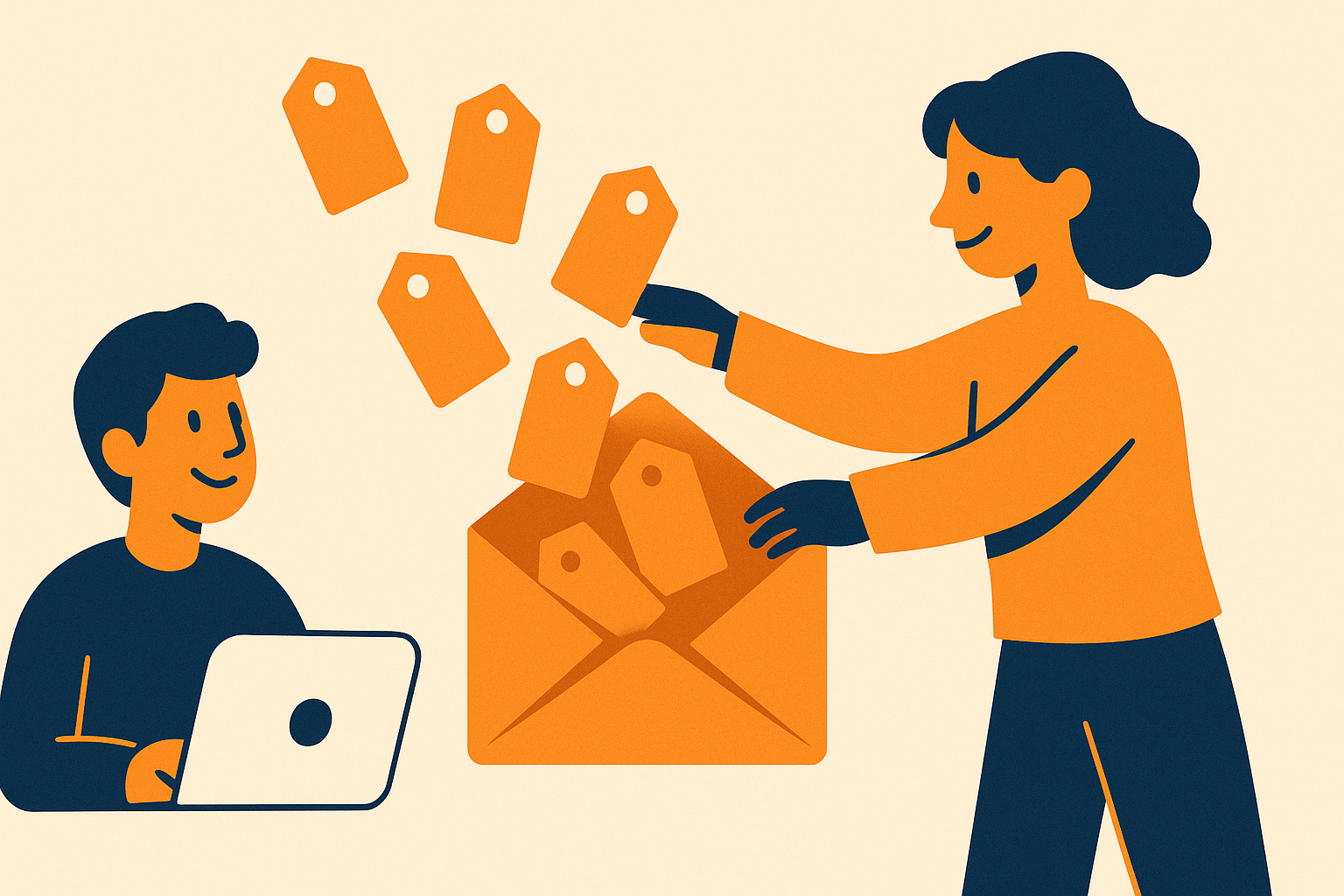
Most deal posters live and die by social feeds, which means they live and die by the algorithm. Post a great deal and maybe 10% of your followers see it, maybe less. A deals newsletter flips that math entirely. When someone hands you their email address, you have earned a direct line to their inbox, no algorithm in between, no fighting for reach. For a deal hunter, that direct line is the single most valuable asset you can build, and it quietly pays you on repeat.
So let's talk about how to turn your deal hunting into a newsletter that pays: why email beats the feed for deals, what to actually send, and how to keep it running without it becoming a second full-time job.
Why email is the deal hunter's secret weapon
Social platforms are rented land. You build an audience there, but the platform decides who sees your posts and can change the rules overnight. Email is owned land. The people on your list asked to hear from you, and when you send, it lands.
For deals specifically, this matters even more than usual:
- Deals are time-sensitive, and email is immediate. A subscriber checks their inbox and sees your finds. They do not have to happen to be scrolling at the right moment.
- Intent is sky-high. Nobody subscribes to a deals newsletter by accident. Everyone on the list is there because they want to be told about good prices. That is the warmest audience you will ever have.
- It compounds. A social post earns once and fades. A newsletter earns every send, to a list that only grows.
The result is that deal-hunter newsletters often out-earn much larger social followings, because every send reaches a self-selected group of people who came specifically to spend money on good deals.
What to actually put in a deals newsletter
The format that works is refreshingly simple. People subscribed for deals, so give them deals, cleanly. A reliable structure:
- A short, friendly intro. One or two lines of warmth so it feels like a person, not a robot. A quick "found some good ones this week" is plenty.
- Your best finds, formatted consistently. Each deal gets the product, the old and new price, one honest line on why it is worth it, and your affiliate link. The same five-part anatomy that makes a good social deal post makes a good newsletter entry.
- A clear lead deal. Put your single strongest find at the top, where it gets the most eyes.
- A light, honest sign-off. No hard sell. The deals do the selling.
The mistake new deal newsletters make is over-designing. Subscribers do not want a magazine. They want a clean, skimmable list of genuinely good prices, sent reliably.
Keep your affiliate links tagged correctly on every single product, because an inbox full of un-tagged links is an inbox full of free advertising for Amazon and zero dollars for you.
How often to send
Consistency beats frequency. A weekly "best deals this week" roundup is a sustainable, reliable rhythm that subscribers come to anticipate. If you find a genuinely exceptional, time-sensitive deal (a pricing error, a near-99% discount), a one-off "this is too good to wait" send is justified and often your highest-earning email.
The danger is the opposite of what most people fear. New deal newsletters rarely fail from sending too little. They fail from sending too much, or from sending erratically, then going silent. Pick a cadence you can actually keep and protect it.
The real challenge: feeding the newsletter
Here is the honest hurdle, and it is the same one that shows up everywhere in deal posting. A weekly newsletter needs a steady supply of genuinely good, verified deals. That means every week you are back to the grind: scrolling Amazon, checking price history so you never send a fake markdown, and curating the finds worth your subscribers' trust. Send one inflated "deal" and you can lose a subscriber for good, because the inbox is intimate and trust there is fragile.
So the newsletter does not reduce the deal-hunting work. It raises the stakes on it, because now your finds go directly to people who trusted you enough to give you their email. The sourcing has to be both steady and reliable.
This is where having a system underneath the newsletter changes everything. Influencer Butler is an all-in-one command center built by Amazon influencers, and its Pricecrash Butler watches Amazon on a schedule for steep discounts and pricing errors, then hands the catches to Deals Butler. Instead of starting from a blank Amazon search every week, you have a running list of verified finds to curate your newsletter from. You stay the editor, choosing what is good enough to send to your list. The tool just keeps the pipeline full so your newsletter never goes out thin or skips a week because you ran out of deals to share. For more on cutting the repetitive load, see our guide on winning back 10+ hours a week.
Growing the list
A newsletter is only as valuable as the people on it, so make subscribing the obvious next step everywhere your deals appear:
- Put the signup link in your social bio and pin a post inviting people to "get the best deals in your inbox."
- Mention the newsletter in your deal posts: the people clicking your social deals are your warmest prospects.
- Promise something specific: "the deals too good to risk missing in the feed."
You do not need a huge list to earn. A small, engaged list of true deal-lovers will out-earn a large, indifferent social following because every name on it is a buyer.
The takeaway
A deals newsletter turns your hunting into an owned, compounding asset: a direct line to people who actively want to be sold good prices, with no algorithm taking a cut of your reach. Keep the format clean, the cadence consistent, and the deals genuinely verified, and it pays you on every send. The whole thing rests on a steady supply of real finds, so build (or automate) the sourcing first and the newsletter follows. For the broader business model around all this, our deal-posting influencer guide lays out the full picture.
Want a newsletter that never runs dry on good deals? Start your free 14-day trial of Influencer Butler and let Pricecrash Butler keep your finds flowing.
Share this post
Let a butler handle the busywork.
Influencer Butler automates the repetitive parts of running your creator business, from accepting Creator Connections campaigns to catching price drops and keeping your outreach moving. Try it free for 14 days.
Start your free trial