How Much Do Amazon Influencers Actually Make in 2026?
Real commission numbers for Amazon influencers in 2026, what separates the $300 months from the $3,000 months, and how to read your own earnings honestly.
By The Influencer Butler Team · June 13, 2026 · 8 min read
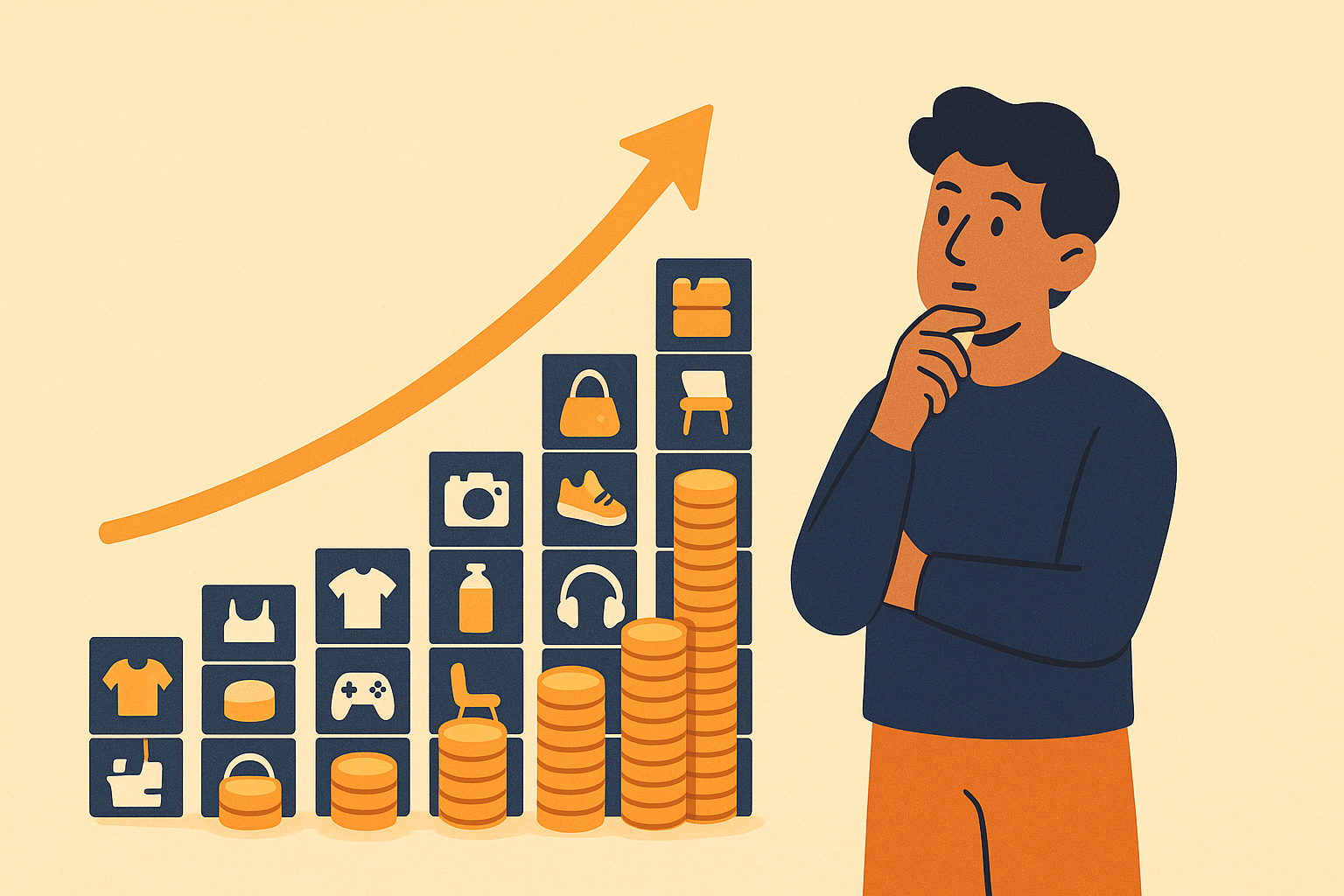
Ask ten Amazon influencers how much they make and you will get ten very different answers, plus a lot of dodging. So let's do the thing nobody seems to do: talk honestly about how much Amazon influencers actually make in 2026, where those numbers come from, and why two creators with the same follower count can land in completely different income brackets.
Here is the uncomfortable truth up front. There is no flat "Amazon influencer salary." Your income is a stack of commissions, and that stack depends on what you sell, how often you post, and how well your products match what your audience is actually ready to buy. Some people clear a few hundred dollars a month. Some clear several thousand. The gap is rarely about luck.
Let's break down the real mechanics so you can read your own numbers without kidding yourself.
How Amazon influencer commissions actually work
Your earnings come from affiliate commissions on the stuff people buy through your links and storefront, whether that is a plain Associates link or an Influencer Program storefront and onsite video (see our Amazon Influencer Program vs Amazon Associates breakdown if you have not picked a lane yet). The rate is not one number. It changes by category.
In 2026, commission rates run roughly 1% to 20% depending on what the product is. Luxury beauty and some apparel sit near the top. Electronics and grocery sit near the bottom. A $40 sale in a 10% category pays you four dollars. The same $40 sale in a 1% category pays you forty cents. Same effort, very different result, which is the entire reason product choice matters so much.
A couple of things people forget when they do the math:
- You earn on the whole cart, not just the item you linked. When someone clicks your link and then buys three other things in the next 24 hours, you usually earn on those too. This is why some months look weirdly good.
- The payout is slow. Amazon pays around 60 days after the end of the month you earned in, because they wait out the return window first. June earnings tend to show up in your account near the end of August. If you are budgeting on this income, plan for that lag.
So when someone says "I made $2,000 in March," they did not see that money in March. They saw it in late May, after returns settled.
The honest 2026 income picture
Here is roughly how the spread looks, based on what we see across creators.
A brand-new influencer with a thin storefront and inconsistent posting usually earns very little at first, sometimes single or low double digits a month. That is normal, and it is not a sign you should quit. You are building catalog and trust.
A consistent micro-creator with an active storefront and a clear niche is where it starts to get interesting. Plenty of these creators saw meaningful year-over-year income growth through 2026, not because the platform suddenly got generous, but because they got better at matching products to buyer intent and kept posting. A few hundred dollars a month becomes a steadier four-figure month over time.
The higher earners, the people pulling consistent thousands, almost always share two traits: they post a lot, and they obsess over relevance. They are not posting random viral gadgets. They are posting the next obvious thing their existing buyers want.
The difference between a $300 month and a $3,000 month is almost never talent or follower count. It is product match plus posting volume, repeated for long enough to compound.
If you want a deeper breakdown of where these commissions originate, our guide to Amazon Creator Connections in 2026 covers the bonus campaigns that stack on top of your base rate and quietly do a lot of the heavy lifting for top earners.
What separates the high earners from everyone else
It comes down to a handful of habits, none of them glamorous.
- They match products to real buyer intent. They feature things their audience is already in the market for, not things they personally think are cool.
- They post consistently. Volume is not spam. It is showing up often enough that you are present when someone is ready to buy.
- They lean into a niche. A focused storefront converts better than a sprawling one because shoppers trust the curation.
- They read their own data instead of guessing. They know which posts and products actually earned, and they do more of that.
That fourth one is where most people quietly fall apart. They have a vague sense of what worked, built on memory and vibes, and they keep promoting things out of habit that have not paid in months.
Read your own numbers honestly
Your earnings dashboard tells you a story, but only if you actually read it. The two questions that matter most:
- What did I actually sell? Not what I posted, not what got likes. What converted into real orders.
- Which efforts actually paid? Which campaigns, products, and posts turned into commissions, and which were busywork that felt productive but earned nothing.
The first question is harder than it sounds, because your own memory of "what sells for me" drifts away from reality fast. This is where having an accurate record of your real order history changes everything. When the data is clean, your next product decisions stop being guesses.
This is the tedious, spreadsheet-y part of the business, and it is exactly the part we built Influencer Butler to handle. Orders Butler syncs your real Amazon order history so the app knows what you genuinely sold, not what you vaguely remember. Earnings Intelligence then shows you which accepted campaigns actually generated commissions, so you can stop pouring effort into the ones that look busy but pay nothing. You get an honest scoreboard instead of a gut feeling.
The point is not to replace your judgment. It is to give your judgment real numbers to work with, so you spend your posting time on the products that have a track record of paying you.
So, is it worth it?
For most creators, Amazon influencing is not a get-rich-quick thing. It is a build-an-asset thing. The income starts small, compounds with consistency, and rewards the people who treat product selection like a craft. If you go in expecting a few thousand dollars in month one, you will be disappointed and you will quit. If you go in expecting to build a real catalog over six to twelve months, the numbers can get genuinely good.
If you are still deciding what to even put in your storefront, our framework on choosing products that actually convert is the natural next read, because what you promote is the single biggest lever on everything above.
Want to see your earnings honestly instead of guessing? Start your free 14-day trial of Influencer Butler and let Orders Butler and Earnings Intelligence show you exactly what you sold and which campaigns actually paid.
Share this post
Tools and guides for this topic
Put this into practice with the tools and walkthroughs that match what you just read.
Let a butler handle the busywork.
Influencer Butler automates the repetitive parts of running your creator business, from accepting Creator Connections campaigns to catching price drops and keeping your outreach moving. Try it free for 14 days.
Start your free trial