Why Returns Eat Your Commissions, and How to Plan for It
Returns claw back paid commissions and surprise new creators. How returns work and how to feature products that stick.
By The Influencer Butler Team · July 19, 2026 · 9 min read
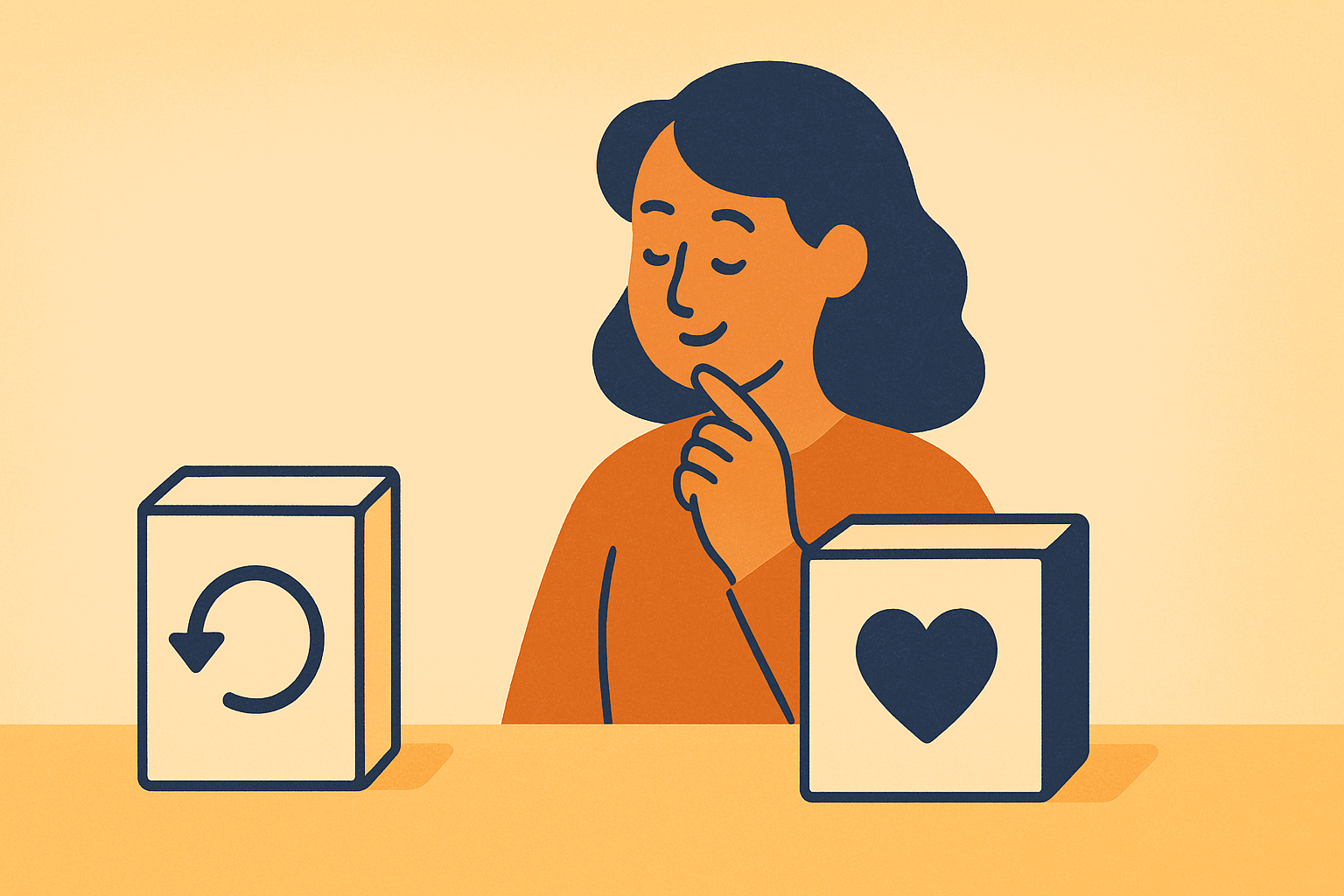
Few things deflate a new Amazon influencer faster than watching a commission appear in their dashboard, mentally spending it, and then seeing it vanish a few weeks later. Welcome to the part of the affiliate world nobody puts in the highlight reel: returns. When a shopper sends back something they bought through your link, Amazon claws back the commission it paid you, because no sale ultimately happened. Understanding how amazon returns and commissions interact is not just bookkeeping trivia. It quietly shapes which products are actually worth featuring, and it is the difference between a clean income picture and a confusing one.
The good news is that returns are predictable and plannable. Once you understand the mechanics, you can steer toward products that stick and away from the ones most likely to come back, which protects both your earnings and your sanity.
How returns affect your commission
The mechanic is straightforward. When someone buys through your affiliate link, Amazon records the sale and credits you a commission. That commission is not truly yours until the return window passes and the order is finalized. If the buyer returns the item before then, Amazon reverses the commission. Your reported earnings go down to reflect that the sale was undone.
This means there is always a gap between what your dashboard shows in the moment and what you will actually be paid. Early on, that gap can feel alarming, like the platform is taking money back arbitrarily. It is not. It is just reconciling estimated earnings against finalized sales.
A few things follow from this:
- Your real income is your finalized income, not the optimistic mid-month number.
- Return-heavy categories carry a built-in discount on their effective commission rate.
- A small return rate is completely normal and not worth stressing over. It is the high-return categories that need managing.
Which products come back the most
Return rates are not random. Some categories are notorious, and knowing them lets you feature smartly. The usual high-return offenders:
- Apparel and shoes, where fit is a guess and people routinely order multiple sizes to send back the wrong ones
- Anything sized or fitted, from rings to phone cases to furniture covers
- High-expectation electronics, where the gap between the product photo and reality disappoints
- Trend-driven impulse buys, which get returned once the novelty fades
- Color- or shade-dependent items like cosmetics and home decor, where screens lie
Compare that to the low-return end: everyday consumables, simple household goods, well-reviewed kitchen items, things with an obvious use and few ways to disappoint. These tend to stick once purchased, which means the commissions you earn on them are far more likely to survive to payout.
A featured product is not valuable because it sells once. It is valuable because the sale holds. A high-return product can look like a winner all month and quietly underdeliver at payout.
The honest math of returns
Here is why this matters for product selection. Imagine two products that each pay you the same headline commission. One is a $50 kitchen tool with a 3 percent return rate. The other is a $50 fashion item with a 30 percent return rate. On paper they look identical. In reality, the fashion item delivers roughly a third less to your pocket once returns claw back the reversed sales.
This does not mean never feature returnable categories. Apparel and beauty can be wildly profitable for the right creator, because the volume and engagement are huge. It means you should go in with eyes open, weight your storefront thoughtfully, and not mistake gross sales for take-home pay. Our guide on choosing products that convert digs into matching products to buyer intent, which is the front line of return prevention.
How to feature products that stick
You have real influence over your return rate through how you present products. Returns spike when reality fails to match expectations, so honest, specific content is your best defense. A few habits that lower returns:
- Set accurate expectations. Show the product in real use, mention its actual size and feel, and call out one honest limitation. Surprised buyers return; informed buyers keep.
- Steer fit-sensitive purchases carefully. If you feature apparel, mention sizing notes, talk about whether it runs large or small, and link to the size guide. A little fit guidance prevents a lot of returns.
- Favor products with strong, consistent reviews. Items with high ratings and lots of reviews have already been stress-tested by thousands of buyers. They disappoint less.
- Be skeptical of trend bait. The product everyone is chasing this week often has a return spike baked in once the hype cools. Evergreen, useful items hold up.
The throughline is trust. When your audience believes you describe products accurately, they buy the right things the first time, return less, and keep coming back. Honesty is not just good ethics here; it is good economics.
Plan for returns instead of being surprised by them
The biggest practical mistake creators make is treating mid-month estimated earnings as money in the bank. Build a mental (or literal) buffer. Assume some percentage of your reported commissions will reverse, especially if your storefront skews toward returnable categories, and judge your performance on finalized numbers.
This is also where seeing your real, reconciled data matters enormously. Estimated dashboards mislead; your actual finalized order history tells the truth. Influencer Butler's Orders Butler and Earnings Intelligence sync your real order history and surface what is genuinely earning after the dust settles, so you can spot which products quietly hold their commissions and which look great until payout. You can absolutely track this by hand early on; the value of having it automatic is that it stops you from making content decisions based on a number that was never going to stick.
The takeaway
Returns are a normal, plannable part of Amazon influencer income, not a glitch and not a reason to panic. Commissions reverse when items come back, certain categories return far more than others, and your real income is your finalized income. Feature products that stick by setting honest expectations, guiding fit-sensitive purchases, favoring well-reviewed items, and resisting trend bait. Plan for a buffer instead of spending estimated earnings, and judge yourself on finalized numbers. Do that, and returns become a known cost you manage rather than a recurring nasty surprise.
Tired of guessing which commissions will actually stick? Start your free 14-day trial of Influencer Butler and let it sync your real order history so you see your true earnings, returns and all.
Share this post
Tools and guides for this topic
Put this into practice with the tools and walkthroughs that match what you just read.
- FeatureStorefront ButlerKnow your storefront inside and out: items, lists, and what is moving.
- Free courseFree Amazon Influencer courseA free step-by-step course from first storefront to first commissions.
- Free toolAll free creator toolsCalculators and generators for Amazon and social creators, no signup.
Let a butler handle the busywork.
Influencer Butler automates the repetitive parts of running your creator business, from accepting Creator Connections campaigns to catching price drops and keeping your outreach moving. Try it free for 14 days.
Start your free trial